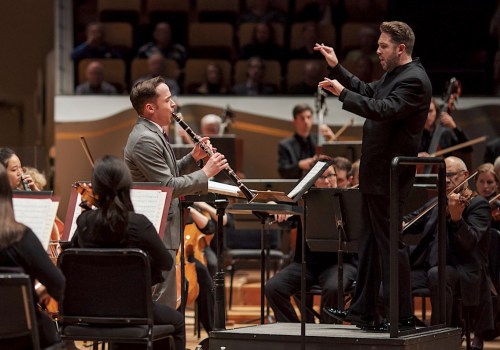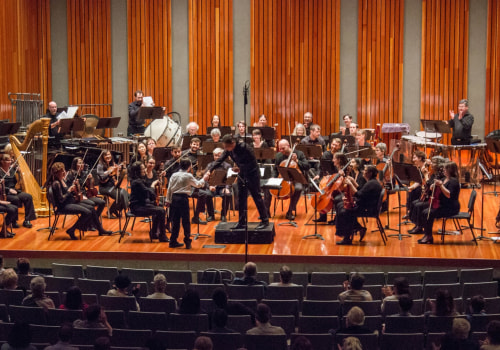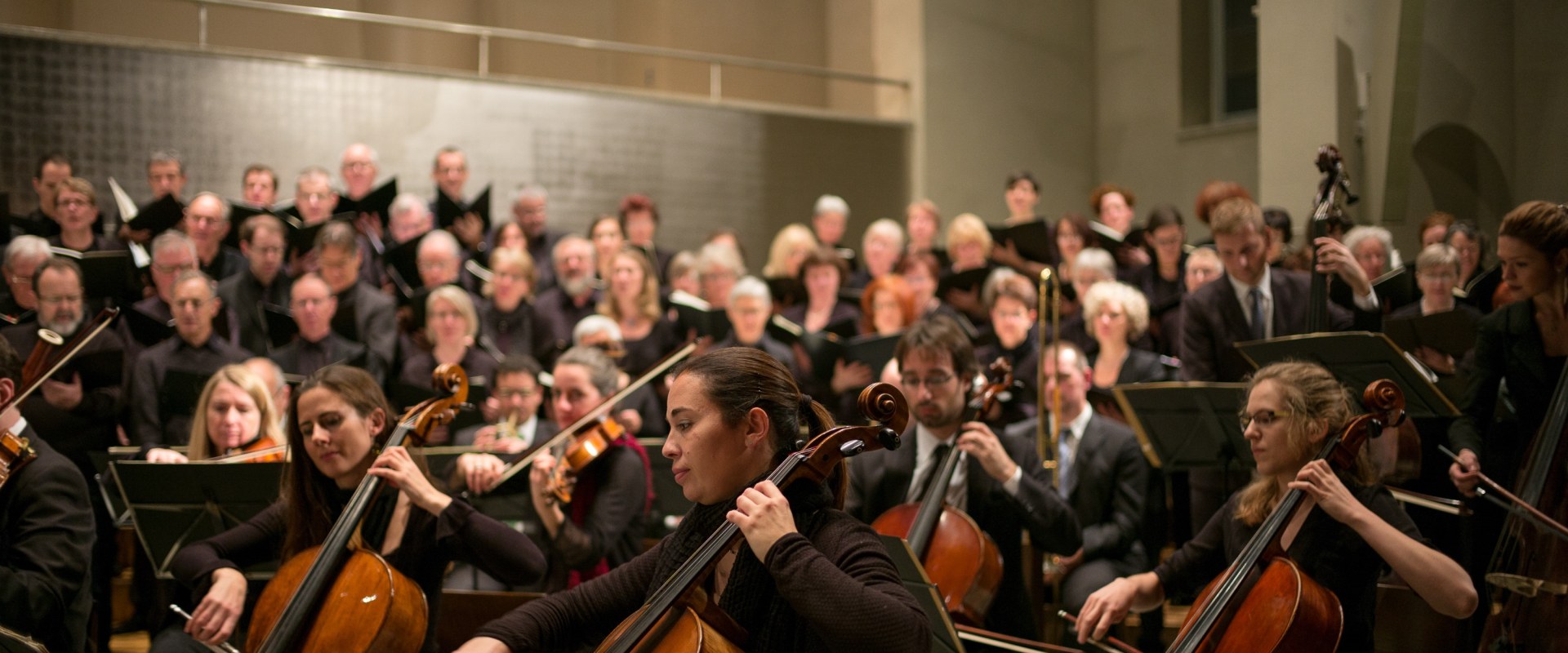
Relocating musical instruments for orchestra performances involves far more planning and coordination than many people realize. While audiences focus on the performance itself, a significant amount of preparation happens behind the scenes to safely transport delicate instruments between rehearsal halls, concert venues, schools, and touring locations. Pianos, violins, cellos, basses, harps, and other orchestral instruments are highly sensitive to movement, temperature changes, humidity, and vibration during transit. Even minor mishandling can affect tuning, structural stability, or sound quality. Because of this, moving instruments for professional performances often requires specialized planning that balances timing, environmental control, protective packaging, and careful loading procedures to ensure everything arrives safely and performance-ready.
Pianos Present Unique Transportation Challenges
Among all orchestral instruments, pianos are often the most difficult to relocate because of their size, weight, and delicate internal mechanics. Grand pianos in particular require partial disassembly, protective wrapping, and specialized moving equipment before transportation begins. Every piano contains thousands of moving components that can shift during transit if not properly secured. Movers must also account for stairways, stage access points, loading ramps, and floor protection throughout the relocation process. Even after arrival, pianos frequently require tuning adjustments due to changes in humidity and movement during transport. The planning behind these moves often begins days or weeks before the actual performance to ensure timing and environmental conditions are carefully controlled.
String Instruments Are Extremely Sensitive to Climate Changes
String instruments such as violins, violas, cellos, and basses may appear easier to transport because of their smaller size, but they are often even more sensitive to environmental changes. Wood expansion and contraction caused by shifts in temperature or humidity can affect tone quality, tuning stability, and structural integrity. Orchestra teams frequently use climate-controlled storage and transportation methods to protect instruments during travel, especially for long-distance performances or outdoor events. Cases are carefully selected to cushion vibration while minimizing sudden environmental fluctuations that could damage the instrument during relocation.
Timing and Venue Coordination Are Critical
One of the hidden complexities of moving instruments for orchestra performances involves coordinating transportation schedules with venue access and rehearsal timelines. Performance venues often operate on strict loading schedules shared with stage crews, lighting teams, and audio technicians. Movers must ensure instruments arrive safely while avoiding unnecessary delays that could interfere with rehearsals or stage setup. Large orchestras may relocate dozens of valuable instruments at once, requiring careful inventory tracking and organized unloading procedures. Companies such as Mountain Movers in Round Rock understand that moving specialty items involves more than simply transporting objects from one location to another. Timing, handling procedures, and environmental considerations all become essential when delicate or high-value equipment is involved.
Protective Equipment Helps Prevent Damage
Professional instrument relocation frequently involves custom protective materials designed specifically for musical equipment. Moving blankets, padded straps, reinforced cases, humidity protection, and shock-absorbing supports all help reduce the risk of damage during transit. For larger instruments such as harps or basses, movers may create customized positioning systems inside transport vehicles to prevent shifting while driving. Even road conditions and travel routes may be considered during planning because excessive vibration or rough transportation can negatively affect sensitive instruments over time.
Touring Performances Increase Logistical Complexity
Orchestras traveling between multiple venues face additional logistical challenges because instruments may need to be unpacked, tuned, performed, and repacked repeatedly within short periods. International travel or long-distance touring often requires even stricter climate control and handling standards. Coordinating transportation with performance schedules, rehearsal times, and venue requirements becomes a carefully managed operation designed to minimize stress on both musicians and instruments.
Careful Planning Protects Performance Quality
The success of an orchestra performance depends not only on the musicians but also on the condition of the instruments they rely on. Proper relocation planning helps preserve sound quality, tuning stability, and structural integrity throughout every stage of transportation. By carefully managing environmental conditions, timing, protective handling, and transportation logistics, orchestras can ensure instruments arrive ready to perform at the highest level possible.